Nothing particularly significant happened to me today. Law class was really interesting because we talked about evolution of a human rights perspective in the visual arts. Then I had an excellent piece of chocolate cake and walked around. Salsa got cancelled because of a karate tornament.Then I came home and wrote in spanish about how the Americas developed differently due to the way their institutions developed to exploit "endogenous factors". Pretty riveting day.
So, I'm dedicating today's post to words again, I've learned a bunch today.
Mala cueva- bad luck. Synonym to mala pata, mala racha, or the standard "Español 2" mala suerte
And probably a bunch more.
desquisiado- completely out of control, mad, crazy, unhinged
cancelar- often used to mean "pay for"
suspendido- cancelled. ie "La clase de salsa está suspendido hasta el martes."
Suspender can also mean adjourned, called off, withdraw, put off or to hung from, depending on context.
la calcomanía- sticker or decal
la dulce de membrillo- quince jam in a block shape. At least I think it's quince, not totally sure. Also, it totally tastes mostly the same and has the same consistency as guava jelly, so that's confusing too.
el murciélago- bat. rawr. Gettin’ ready for halloween.
la lechona- Argentine word meaning piglet. the food, not the pooh character.
escalofriante- shocking, incredible, horrifying.
los escalofríos- shivers
percatarse- to notice
las migas- layers of a sandwich ie pan de miga- doesn’t exactly translate.
There’s a sandwich shop near my house called “Entre Migas” which is punny: Between friends or between layers. JAJAJA.
Thursday, October 28, 2010

October 21-24: El Vino y El Destino- Mendoza, Argentina



Finally catching up on my Mendoza trip!
Words of the Day:
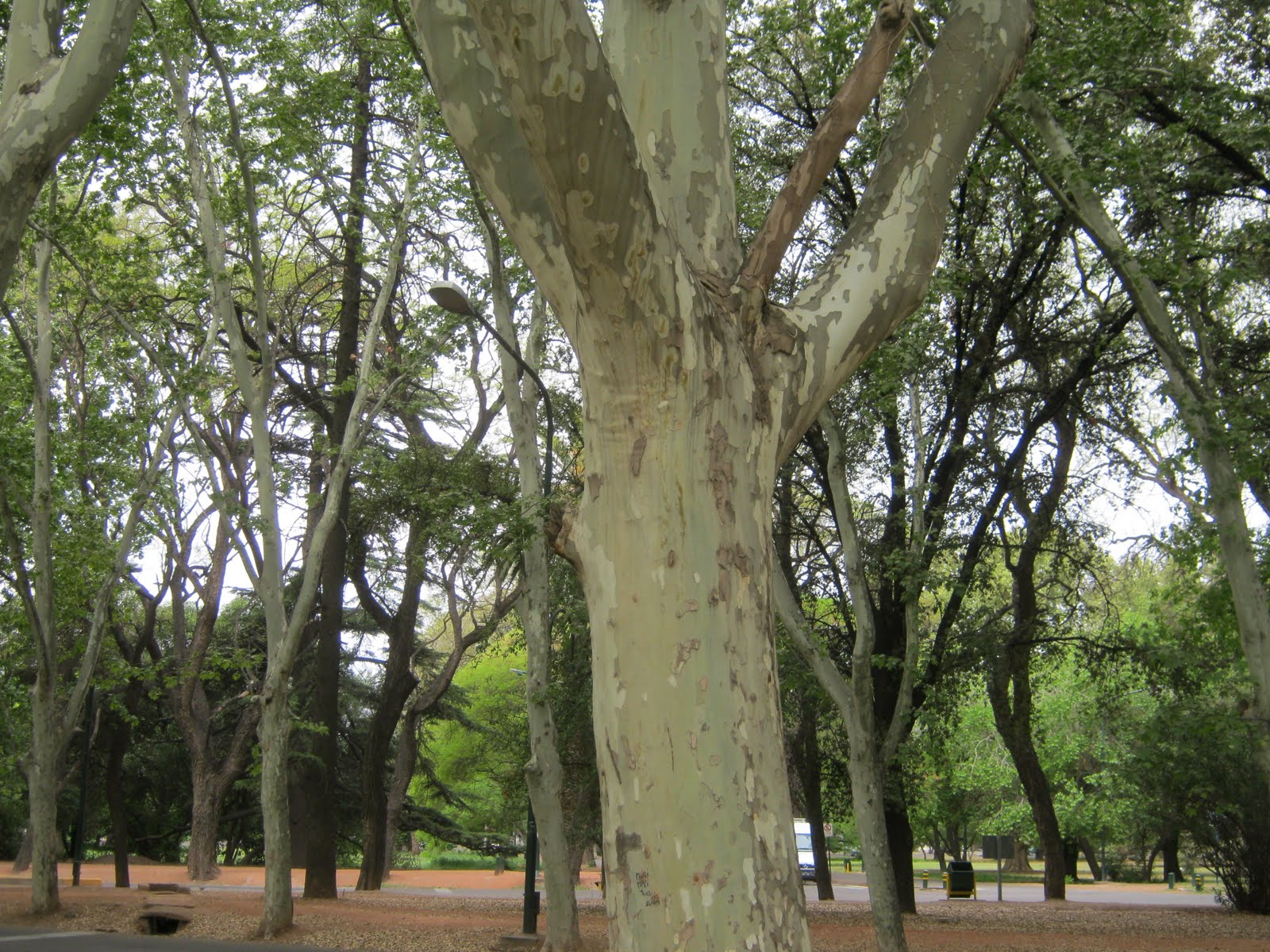
alama- sycamore tree. Fun fact: these are the reason the main street in Santiago is called the Alameda- it's lined with them!
chorizo/longaniza- sausage. Longaniza=used in Chile. Chorizo= used in both
masceración- the amount of time wine is aged with the grape skins, giving it different shades of color
añejar- to age wine. I dont think age is actually the right word. Whatever.
roble- oak
baricca- cask
alfahores- cookies sandwiches with dulce de leche in the middle.
bodega- in Argentina, vineyard
desgustación- wine tasting
Thursday 21
Took the bus through the Andes to Mendoza Argentina. What a magical ride. The mountains were dark and sharp on the Chilean side and then softer with beautiful earth colors on the Argentina side. The bus ride from Ny to Boston is going to seem really really boring when I return to school now :)
Everything in Mendoza is really cheap: our hostel was only $8 US a night!
Arrived with two other friends around dinner time, where we went to Las Tinajas, which had a ridiculously large buffet packed to the brim with delicious things. $10 for all you can eat!
Argentine men have won the most aggressive catcalling award. To be fair, we went out dressed up perhaps slightly provacatively for a Thursday. By which I mean we were wearing dresses when jeans would have been appropriate. At one point, we got applauded just for walking by, which was beyond comical. Lulled to sleep by the delicious food and a spot of wine, we went to bed early by Argentine standards, around 1 or 2.
Friday 22
We got up leisurely, reunited with some more of the gringo pack. We walked with plans around the sycamore and café lined streets of Mendoza which managed to be both elegant and quaint. Then, we decided to rent bikes and go to Parque San Martin for a picnic lunch. We had forgotten about the siesta element though- commerce shuts down pretty much between 1 and 4 pm. Luckily, we found a fabulous gourmet shop with goat cheese, salads and homemade bread which we got for literally $5. Amazing, as was our relaxing ride around the park.
Saturday 23
We went for a wine tour, renting bikes in the nearby area of Maipú. ($12 for an all day rental and transportation one way to Maipú) We biked about 15 miles total past beautiful fields lined with sycamores, testing malbec wines for which the region is famed, absinthe (totally random but also gross), jam, dulce de leche, smoked cheeses, specialty olive oils, tapanades, and last but certainly not least, chocolates.
Most vineyards had good deals where you could taste wines and get a tour for between $3 and $5.
And we squeezed in a gourmet lunch too. We had an interesting time getting back on the bus- you need to pay in coins, which Argentina apparently has a shortage of. Also, their paper bills are horrible quality- they literally fall apart. We guessed it had something to do with country's history of inflation- there's probably a great hesistancy to print new bills.
For dinner, we had a ridiculous parrillada- a barbeque of every kind of meat ever. SO GOOD.
Sunday 24
After relaxing in a café during the morning and walking around a bit more, we boarded the bus back home, armed with some excellent cheeses, sun dried tomatoes, figs and alfahores. It was such a wonderful trip, quite spontaneous and full of the best and simple things in life: good quality food, wine, beautiful scenery and most importantly, good friends. A lovely little taste of Argentina. Even though in some ways it wasn't as developed as Chile- the cars for one thing were straight out of the 70s and 80s, there's a certain elegance to it that is hard to describe but makes it wonderful.
Wednesday, October 27, 2010
Some More Music
Haven't put up any music in a while, this guy is my new obsession!
Nano Stern-"Necesito un Canción"
http://www.youtube.com/watch?v=-Hd4AMaZ7So
Nano Stern- "Casualidad"
http://www.youtube.com/watch?v=nQbdgZdWTQY&feature=related
Nano Stern-"Necesito un Canción"
http://www.youtube.com/watch?v=-Hd4AMaZ7So
Nano Stern- "Casualidad"
http://www.youtube.com/watch?v=nQbdgZdWTQY&feature=related
October 27: Wednesday Wanderings


I have a bunch of classes on Wednesday, but I fit in some wandering in between, popping over the Museo de Arte PreColombino, which I couldn't believe I hadn't visited yet because guidebooks are always ranting about how its the one museo you have to see.
Which I would probably agree with. It's expensive by Santiago standards though, a whole luca for students! The collection was really great although I'm not sure if everything was on display yet: some of the building was still being fixed up from earthquake damage. It amazed me to see the level of detail in the artifacts on display and the variety of cultures/civilizations, most of which I had never ever heard of. Since they let you take pictures without flash, here are some of the highlights!
Globalization and Copper, as usual, was interesting today. We were having a very discussion based class open ended question day and talked about what makes Chileans Chilean, which is actually a very hard thing to define. The professor also asked the students what they thought should be done to increase participation and civil society organization. Most of the answers were something along the lines of: "fight the commercialistic influence of the US" which is something of a valid critique I suppose. Citizens shouldn't have to buy their way into belonging to the social fabric, which is increasingly becoming the norm. Food for thought.
Tuesday, October 26, 2010
October 18: The Zipper Incident
Words of the Day:
zipper- I thought this one was la cremallera, but apparently the normal thing to say in these parts is el cierre.
banano (Chile)- fannypack. Actually quite the fashion accessory here/incredibly useful. I caved and bought one. I think the name comes from the shape, because they are sort of shaped like bananas, cachai? Probably I just completely made that up though.
I bought a zipper today to fix a bag, and while this is the most mundane news ever, the incident was actually quite illustrative. I went to the sewing shops on a streets called Rosas near Plaza de Armas and attempted to buy one from a very patient clerk who must have spent over 10 minutes helping me find one the right length. Since I couldnt figure out how long I needed it to be in centimeters. The guy was totally patient though and we worked through it eventually.
Afterwards, I thought how unlikely the same situation would have been in the US. Despite our immigrant nation rhetoric, let's face it, there's a general impatience when people dont speak English well or when transactions take a long time.
I don't currently consider myself to be an immigrant, and certainly not one forced by circumstances outside my control, but it is interesting to live as an outsider because it gives you a bit of insight into the occasional anxiety that is par for the course in a new linguistic and cultural territory.
zipper- I thought this one was la cremallera, but apparently the normal thing to say in these parts is el cierre.
banano (Chile)- fannypack. Actually quite the fashion accessory here/incredibly useful. I caved and bought one. I think the name comes from the shape, because they are sort of shaped like bananas, cachai? Probably I just completely made that up though.
I bought a zipper today to fix a bag, and while this is the most mundane news ever, the incident was actually quite illustrative. I went to the sewing shops on a streets called Rosas near Plaza de Armas and attempted to buy one from a very patient clerk who must have spent over 10 minutes helping me find one the right length. Since I couldnt figure out how long I needed it to be in centimeters. The guy was totally patient though and we worked through it eventually.
Afterwards, I thought how unlikely the same situation would have been in the US. Despite our immigrant nation rhetoric, let's face it, there's a general impatience when people dont speak English well or when transactions take a long time.
I don't currently consider myself to be an immigrant, and certainly not one forced by circumstances outside my control, but it is interesting to live as an outsider because it gives you a bit of insight into the occasional anxiety that is par for the course in a new linguistic and cultural territory.
October 26: ¿Cínica?
Words of the Day: False cognates edition!
cínico/a- In normal Spanish, this means cynical. In Chilensis, it means lying. Easy to remember if you think that cynism is an false worldview.
personalidad jurídica- legal status (a false cognate if I've ever heard one)
Yesterdays post is proof of why I should not blog while trying to figure things out at 2 in the morning. Surprisingly, going to my internship made me feel less cynical today, as much as the zone sometimes depresses me.
I guess yesterday when I was denouncing the notion of "social change" in bold strokes, what I really wanted to say was that I've become disillusioned with the idea of large sweeping change. Change when it ever does roll around comes from the small things. Probably, the work that goes on in El Trampolin and most other NGOs will realistically probably never bring people truly out of poverty, at the very least not in this generation. But that doesnt mean it wont generate tremendous good, albeit on the micro-micro-micro level. For instance, empowering a group of women to stand up to a corrupt local official so that they can use municipal space for an income generating sewing workshop, as they have the right to do. Giving the next generation education and options. Or just building links between people who otherwise would have absolutely nothing in common.
cínico/a- In normal Spanish, this means cynical. In Chilensis, it means lying. Easy to remember if you think that cynism is an false worldview.
personalidad jurídica- legal status (a false cognate if I've ever heard one)
Yesterdays post is proof of why I should not blog while trying to figure things out at 2 in the morning. Surprisingly, going to my internship made me feel less cynical today, as much as the zone sometimes depresses me.
I guess yesterday when I was denouncing the notion of "social change" in bold strokes, what I really wanted to say was that I've become disillusioned with the idea of large sweeping change. Change when it ever does roll around comes from the small things. Probably, the work that goes on in El Trampolin and most other NGOs will realistically probably never bring people truly out of poverty, at the very least not in this generation. But that doesnt mean it wont generate tremendous good, albeit on the micro-micro-micro level. For instance, empowering a group of women to stand up to a corrupt local official so that they can use municipal space for an income generating sewing workshop, as they have the right to do. Giving the next generation education and options. Or just building links between people who otherwise would have absolutely nothing in common.
Monday, October 25, 2010
October 25: Never Be Afraid to Sit A While And Think
Word of the Day: el cargador- charger
$140 is what it took for me to be able to talk to you all again, once I finally caved and bought a new computer charger. One reason not to buy a Mac. Thanks to hefty import taxes, technology products here don't come cheap. And I had to go up to Parque Arauco, which as I think I have mentioned before, makes me feel physically ill with its blatant commercialism. Which is a hypocritical statement, coming from someone who just had quite possibly the most bourgeousie weekend imaginable in this ever wonderful semester...
I titled this post with my favorite quote from the play "Raisin in the Sun" because sitting and thinking were, for once, in ample supply this weekend. Although I was on the move again, hopping over the Andes to Mendoza, Argentina, I had no real agenda. I even sat in a chair for 15 minutes and looked at the sky. And I felt very at peace, realizing the relative pettiness of the decisions I have to make.
Now that I'm back in Santiago, that zen has evaporated a little, certainly not aided by the massive crowds on public transport. I'm only just starting to realize how much I've grown as a person this semester, which is good, but as I think I've mentioned before, I've grown disillusioned with so many of my former ideals and interests. Notions of "change", "equality", "justice," "progress"and "development" seem like a field strew with landmines where once they were shining beacons of hope. So do I brave the minefield, hoping my prejudices and actions wont trigger a dangerous result or do I search for an entirely new route, whatever that might entail? And does the fact that I'm willing to let idealism fall by the wayside so easily make me a weak person?
So, less metaphorically/long term, what is the rest of my college career going to look like? Gulp.
$140 is what it took for me to be able to talk to you all again, once I finally caved and bought a new computer charger. One reason not to buy a Mac. Thanks to hefty import taxes, technology products here don't come cheap. And I had to go up to Parque Arauco, which as I think I have mentioned before, makes me feel physically ill with its blatant commercialism. Which is a hypocritical statement, coming from someone who just had quite possibly the most bourgeousie weekend imaginable in this ever wonderful semester...
I titled this post with my favorite quote from the play "Raisin in the Sun" because sitting and thinking were, for once, in ample supply this weekend. Although I was on the move again, hopping over the Andes to Mendoza, Argentina, I had no real agenda. I even sat in a chair for 15 minutes and looked at the sky. And I felt very at peace, realizing the relative pettiness of the decisions I have to make.
Now that I'm back in Santiago, that zen has evaporated a little, certainly not aided by the massive crowds on public transport. I'm only just starting to realize how much I've grown as a person this semester, which is good, but as I think I've mentioned before, I've grown disillusioned with so many of my former ideals and interests. Notions of "change", "equality", "justice," "progress"and "development" seem like a field strew with landmines where once they were shining beacons of hope. So do I brave the minefield, hoping my prejudices and actions wont trigger a dangerous result or do I search for an entirely new route, whatever that might entail? And does the fact that I'm willing to let idealism fall by the wayside so easily make me a weak person?
So, less metaphorically/long term, what is the rest of my college career going to look like? Gulp.
Sunday, October 17, 2010
October 16-17: Fútbol and Meat
Words of the Day:
fanschop- Another surprisingly good "Let's mix something weird in beer" combination: beer + fanta
choripan- chorizo (sausage) +pan (bread)= choripan
hinchas-fans
Albos- fans of Colo-Colo, a very popular soccer team (in both senses of the word popular)
asado- barbecue. Which means bread and meat. Vegetables do not exist in Chilean barbecues.
Mete la pata- stick your foot on it! Get in there! Trip her up!
Dále, dále, dále!- Go, go, go!
Sacálo!- Get it out of there!
good sportsmanship- according to word reference, it's buena deportividad. In practice though, there is no definition.
So this weekend may have been the most un-vegetarian thing to ever happen to me. Not that I regret it especially.
On Saturday, we had a game for the soccer team, which was a lot of fun. We lost, but only by 1 and it was a really tight game. Then, afterwords, we had an asado! It was great to get to chill with everyone because they are all really sweet and really cool.
Today, Sunday, a large majority of the gringo pack went to a fútbol game of Colo Colo vs. U. Cátolica. (The third major Chilean team is U. Chile) It was quite the adventure.
We had another asado first with some friends from the School of Engineering, fans of Colo-Colo. It was unbelievably delicious: I could eat choripan every day and never get tired of it. The stadium was actually fairly orderly, although there was a heavy police presence (in riot gear no less) and no alcohol was sold inside. The fans were rowdy though. There's practically a sub-genre of books talking about the links between Soccer and Globalization and one I read recently talked about how soccer fan violence and rivalries are a pretty good example of how important a force tribalism still is to modern societies, a thesis that seems pretty well supported in South American soccer.
There were streamers, balloons, pep bands, probably completely illegal and dangerous fireworks, jumping, dancing, and singing, of the literally dozens of team songs. And plenty of foul language. The opposing teams, their own players and frequently, everyone's mothers, were treated to a heavy barage of insults. More of that than actually "constructive" type cheering like you usually hear at sports events in the US. It was cool to see all the different types of people who were there: wealthy, middle class, not so wealthy, teens, kids (questionable parenting?), the occasional grandma. Mostly men, but far from exclusively. And the U Catolica fans were in their own section, heavily guarded by the police. Although I really had no personal investment in Colo-Colo, it was one of the most fun and intriguing sporting events I've ever been too.
Here's the easiest Colo- Colo chant:
CHI-CHI-CHI- LE-LE-LE...Colo Colo de Chile!
fanschop- Another surprisingly good "Let's mix something weird in beer" combination: beer + fanta
choripan- chorizo (sausage) +pan (bread)= choripan
hinchas-fans
Albos- fans of Colo-Colo, a very popular soccer team (in both senses of the word popular)
asado- barbecue. Which means bread and meat. Vegetables do not exist in Chilean barbecues.
Mete la pata- stick your foot on it! Get in there! Trip her up!
Dále, dále, dále!- Go, go, go!
Sacálo!- Get it out of there!
good sportsmanship- according to word reference, it's buena deportividad. In practice though, there is no definition.
So this weekend may have been the most un-vegetarian thing to ever happen to me. Not that I regret it especially.
On Saturday, we had a game for the soccer team, which was a lot of fun. We lost, but only by 1 and it was a really tight game. Then, afterwords, we had an asado! It was great to get to chill with everyone because they are all really sweet and really cool.
Today, Sunday, a large majority of the gringo pack went to a fútbol game of Colo Colo vs. U. Cátolica. (The third major Chilean team is U. Chile) It was quite the adventure.
We had another asado first with some friends from the School of Engineering, fans of Colo-Colo. It was unbelievably delicious: I could eat choripan every day and never get tired of it. The stadium was actually fairly orderly, although there was a heavy police presence (in riot gear no less) and no alcohol was sold inside. The fans were rowdy though. There's practically a sub-genre of books talking about the links between Soccer and Globalization and one I read recently talked about how soccer fan violence and rivalries are a pretty good example of how important a force tribalism still is to modern societies, a thesis that seems pretty well supported in South American soccer.
There were streamers, balloons, pep bands, probably completely illegal and dangerous fireworks, jumping, dancing, and singing, of the literally dozens of team songs. And plenty of foul language. The opposing teams, their own players and frequently, everyone's mothers, were treated to a heavy barage of insults. More of that than actually "constructive" type cheering like you usually hear at sports events in the US. It was cool to see all the different types of people who were there: wealthy, middle class, not so wealthy, teens, kids (questionable parenting?), the occasional grandma. Mostly men, but far from exclusively. And the U Catolica fans were in their own section, heavily guarded by the police. Although I really had no personal investment in Colo-Colo, it was one of the most fun and intriguing sporting events I've ever been too.
Here's the easiest Colo- Colo chant:
CHI-CHI-CHI- LE-LE-LE...Colo Colo de Chile!
Friday, October 15, 2010
6 UnChilean Things: Home Edition
1. Drinking Water
Chileans don't drink water. This isn't strictly true, but it's almost funny how much other beverages are favored. Specifically, "juices" which are water mixed with aspartame flavoring. Or soda. Or coffee. Or tea. Several people have mentioned how these liquids "have water in them" and I'm fairly sure they were somewhat serious. I mean, that's kind of true, but definitely not the same, especially given that SODA DEHYDRATES YOU and Chilean food is salty to begin with.
My host mom always gives me weird looks when I reach for some plain old water from the tap. "Are you sure you don't want something else? Juice? Coffee?" When I was sick, she brought me tea and fanta, which I found culturally amusing.
2. Milk
Drinking milk: also weird. I usually try and do it when no one is around. Also, milk comes in boxes but is liquid and isn't refrigerated until opening. Pretty sure there are lots of chemicals in it.
3. Eating Alone
This one is pretty universal outside the US, I think, but it's generally considered anti-social. Same for eating while standing around. I usually end up bringing a lunch because its less awkward to eat at school than to eat an early lunch by myself.
4. Not Wearing Shoes
My family is big on shoes in the house. The other day, I slipped down the stairs while only wearing socks. Thick woolen socks. "That's what happens when you are barefoot!" I was told. My (real) mother loves to yell at my siblings and I for not wearing socks or slippers, so I find it extra amusing. In another annecdote: My friends host family calls her "Indiancita" (little Indian) because she likes to go around barefoot. Shoe obsession and awkwardly un-pc nicknames: very Chile.
5. Air drying your hair
My host mom is big on me using the hairdryer, especially when it was winter. "So that your wet hair won't get you sick." I am not, since more often than not it results in an interesting 1980s throughback, which despite mens hairstyles being mulletlicious is not the fashion for women. Coincidentally, my real mother also yells at me about this a lot too.
6. Tupperwear Lids in the Fridge
Unlike America's obsessive compulsiveness about germs, it's totally normal to just leave a bowl or container uncovered in the fridge. Generally, Chileans eat their lunch leftovers for dinner though, so things hang around for less time.
Chileans don't drink water. This isn't strictly true, but it's almost funny how much other beverages are favored. Specifically, "juices" which are water mixed with aspartame flavoring. Or soda. Or coffee. Or tea. Several people have mentioned how these liquids "have water in them" and I'm fairly sure they were somewhat serious. I mean, that's kind of true, but definitely not the same, especially given that SODA DEHYDRATES YOU and Chilean food is salty to begin with.
My host mom always gives me weird looks when I reach for some plain old water from the tap. "Are you sure you don't want something else? Juice? Coffee?" When I was sick, she brought me tea and fanta, which I found culturally amusing.
2. Milk
Drinking milk: also weird. I usually try and do it when no one is around. Also, milk comes in boxes but is liquid and isn't refrigerated until opening. Pretty sure there are lots of chemicals in it.
3. Eating Alone
This one is pretty universal outside the US, I think, but it's generally considered anti-social. Same for eating while standing around. I usually end up bringing a lunch because its less awkward to eat at school than to eat an early lunch by myself.
4. Not Wearing Shoes
My family is big on shoes in the house. The other day, I slipped down the stairs while only wearing socks. Thick woolen socks. "That's what happens when you are barefoot!" I was told. My (real) mother loves to yell at my siblings and I for not wearing socks or slippers, so I find it extra amusing. In another annecdote: My friends host family calls her "Indiancita" (little Indian) because she likes to go around barefoot. Shoe obsession and awkwardly un-pc nicknames: very Chile.
5. Air drying your hair
My host mom is big on me using the hairdryer, especially when it was winter. "So that your wet hair won't get you sick." I am not, since more often than not it results in an interesting 1980s throughback, which despite mens hairstyles being mulletlicious is not the fashion for women. Coincidentally, my real mother also yells at me about this a lot too.
6. Tupperwear Lids in the Fridge
Unlike America's obsessive compulsiveness about germs, it's totally normal to just leave a bowl or container uncovered in the fridge. Generally, Chileans eat their lunch leftovers for dinner though, so things hang around for less time.
October 15: Human Rights.
Word of the Day: Arpillera- a Chilean craftwork tradition of using scraps of fabric to tell a sew a picture, which during the dictatorship period were used as a form of memory, protest and healing
Today I went to the Museo de la Memoria y Derechos Humanos (Museum of Memory and Human Rights) and it was unlike any other museum I had ever been to before, both structurally and conceptually. It's a beautiful, very new, huge, modern, open space with lots of light that enters.
Conceptually, it is a fascinating idea: a museum on a national level that attempts to commemorate victims of violence perpetrated by the state itself, openly exposing the past to the viewer.
I thought the museum in general did an excellent job of commemorating the victims, making them seem like real people with testimonies, pictures and artifacts. One area that I thought it was a little weak in was explaining the context of the dictatorship and the strength of support for Pinochet, factors that are still important in understanding political realities in Chile today.
It's hard to do that though without making apologies for abuses and I think the factions that directed the project itself would not have wanted to do that. Above all, its an interesting concept, the idea that a museum can create a historical narrative.
My favorite part of the museum was the large display spanning 2 floors of faces from those who were disappeared, tortured, or killed during Pinochet's regime. Pictures are so simple, but they express so much sometimes, in this case, the faces of the living expressing everything that political violence and intolerance can rob from a society.
There was also a large set of beautiful arpilleras upstairs, the quality of which I had never seen before.
There was also extensive information in the foyer on Truth Comissions from around the globe and on Chilean memorial sites.
All in all, a well done project.
Here's an article about the museum that was in Newsweek a while back: http://www.newsweek.com/2010/03/31/the-art-of-darkness.html
Today I went to the Museo de la Memoria y Derechos Humanos (Museum of Memory and Human Rights) and it was unlike any other museum I had ever been to before, both structurally and conceptually. It's a beautiful, very new, huge, modern, open space with lots of light that enters.
Conceptually, it is a fascinating idea: a museum on a national level that attempts to commemorate victims of violence perpetrated by the state itself, openly exposing the past to the viewer.
I thought the museum in general did an excellent job of commemorating the victims, making them seem like real people with testimonies, pictures and artifacts. One area that I thought it was a little weak in was explaining the context of the dictatorship and the strength of support for Pinochet, factors that are still important in understanding political realities in Chile today.
It's hard to do that though without making apologies for abuses and I think the factions that directed the project itself would not have wanted to do that. Above all, its an interesting concept, the idea that a museum can create a historical narrative.
My favorite part of the museum was the large display spanning 2 floors of faces from those who were disappeared, tortured, or killed during Pinochet's regime. Pictures are so simple, but they express so much sometimes, in this case, the faces of the living expressing everything that political violence and intolerance can rob from a society.
There was also a large set of beautiful arpilleras upstairs, the quality of which I had never seen before.
There was also extensive information in the foyer on Truth Comissions from around the globe and on Chilean memorial sites.
All in all, a well done project.
Here's an article about the museum that was in Newsweek a while back: http://www.newsweek.com/2010/03/31/the-art-of-darkness.html
Thursday, October 14: Walking Around Some More.
Word of the Day: media odisea- My friend used this expression a while ago, and it's not really related to anything today, but I figured I'd put it up.
media, en Chilensis, means something extreme. And odisea means odyssey. As in Homer.
media+odisea implies "Wow, that place we went to was in the middle of nowhere and it took forever to get there! What a hike"
Today was pretty standard. I walked to law class, which I guess is a media odisea if you don't like taking hour and a half walks, but that's my thing, so it was cool. We've been learning about humanitarian interventions for conflicts, a subject on which surprisingly little international law exists. Then, I hung out at a cool café in Lastarria, a "hip" neighborhood, which is probably my favorite in Santiago. It was right on the corner with views of this really modern arts center constructed from copper and also prime views of some of the best street art (also known as graffiti) in Santiago. The tables were all covered in collages and the whole place had a rocker vibe and played some excellent early nineties/alternative stuff, which was certainly overdue. Think Beachhouse, Pavement, some 90s girl band and Cansei de Ser Sexy, a brazilian rock band.
Salsa class has become very trying. I've definitely improved, but the prof has started throwing in these impossible moves that don't look very graceful and appear much more like martial arts or self defense than anything else. I'm half expecting that any day now he will make an announcement that he's not actually a Cuban exile but rather an ex-member of the Israeli Armed forces who has secretly been teaching us Krav Maga. Either way, it can't hurt.
I ended up going for a walk by the metro stop El Golf today, the start of the real barrio alto, or at least it's beating heart: the financial sector. It was well, way more beautiful than I expected. It was overcast and misty out and you could barely see the mountains, but made the crystaline blue high tech modernity of the skyscrapers more prominent. It was so clean and new everywhere and the streets were lined with trees and fascinating sculptures. I realized I hadn't gotten a dose of what upper class Chile is really like in a while, despite my frequent ranting about it. My host mom had been complaining about this the other day "They take you to all these ugly ugly places!" Her statement did have some truth to it. They've spent a lot of time showing us the poor parts of Chile in the program, which are hugely important for us to see. But it's also important to see the wealthy wealthy wealthy Chile, lest one forget why Chile has one of the highest level of inequality in the Americas (Gini coefficient between .50 and .54 for any econ types). It is kind of interesting to think about to: I'm pretty sure that foreign students who come to the US to study are never brought to poor areas, not that there aren't an overabundance of structurally disadvantaged zones in the US. There are certain safety reasons for this I'm sure, unfortunately having to do with race for the most part , but the fact remains that I've been in many places in Chile who's US equivalent I've never been to. Interesting to think about.
media, en Chilensis, means something extreme. And odisea means odyssey. As in Homer.
media+odisea implies "Wow, that place we went to was in the middle of nowhere and it took forever to get there! What a hike"
Today was pretty standard. I walked to law class, which I guess is a media odisea if you don't like taking hour and a half walks, but that's my thing, so it was cool. We've been learning about humanitarian interventions for conflicts, a subject on which surprisingly little international law exists. Then, I hung out at a cool café in Lastarria, a "hip" neighborhood, which is probably my favorite in Santiago. It was right on the corner with views of this really modern arts center constructed from copper and also prime views of some of the best street art (also known as graffiti) in Santiago. The tables were all covered in collages and the whole place had a rocker vibe and played some excellent early nineties/alternative stuff, which was certainly overdue. Think Beachhouse, Pavement, some 90s girl band and Cansei de Ser Sexy, a brazilian rock band.
Salsa class has become very trying. I've definitely improved, but the prof has started throwing in these impossible moves that don't look very graceful and appear much more like martial arts or self defense than anything else. I'm half expecting that any day now he will make an announcement that he's not actually a Cuban exile but rather an ex-member of the Israeli Armed forces who has secretly been teaching us Krav Maga. Either way, it can't hurt.
I ended up going for a walk by the metro stop El Golf today, the start of the real barrio alto, or at least it's beating heart: the financial sector. It was well, way more beautiful than I expected. It was overcast and misty out and you could barely see the mountains, but made the crystaline blue high tech modernity of the skyscrapers more prominent. It was so clean and new everywhere and the streets were lined with trees and fascinating sculptures. I realized I hadn't gotten a dose of what upper class Chile is really like in a while, despite my frequent ranting about it. My host mom had been complaining about this the other day "They take you to all these ugly ugly places!" Her statement did have some truth to it. They've spent a lot of time showing us the poor parts of Chile in the program, which are hugely important for us to see. But it's also important to see the wealthy wealthy wealthy Chile, lest one forget why Chile has one of the highest level of inequality in the Americas (Gini coefficient between .50 and .54 for any econ types). It is kind of interesting to think about to: I'm pretty sure that foreign students who come to the US to study are never brought to poor areas, not that there aren't an overabundance of structurally disadvantaged zones in the US. There are certain safety reasons for this I'm sure, unfortunately having to do with race for the most part , but the fact remains that I've been in many places in Chile who's US equivalent I've never been to. Interesting to think about.
Wednesday, October 13, 2010
Culinary News
Word of the Day: Heavy (pronounced “Jevi”): good, great
I also wondered why ads for Subway sandwhiches said "Se puso heavy", since Subway always markets how they can make you less fat than other fast food...silly chilenismos.
I had Caldillo de Congrio today for the first time because my host mom made it for dinner!
Guess who wrote a really good poem about it: Pablo Neruda! Contrary to this blog, there are tons of other AWESOME chilean poets, who should probably be getting more due in this increasingly long travel document. I'll get on that...
Anyway,
Oda al caldillo de congrio/ Ode to Eel Soup (Or Chowder)
I'm actually not gonna put the whole poem up because it's really long AND it reformats it. But read it, it's really good.
Castellaño:http://www.poemasde.net/oda-al-caldillo-de-congrio-pablo-neruda/
English: http://spanishpoems.blogspot.com/2005/02/pablo-neruda-oda-al-caldillo-de-congrio.html
Also, the yogurt guinda (cherry yogurt) flavor at Emporio la Rosa is pretty much the best dessert I've ever had. Mild exageration, but rich frozen yogurt + real cherries= a very good idea.
I'm sure I'll get around to trying the ice cream of other establishments eventually, but it's hard when theirs is SO good.
I also wondered why ads for Subway sandwhiches said "Se puso heavy", since Subway always markets how they can make you less fat than other fast food...silly chilenismos.
I had Caldillo de Congrio today for the first time because my host mom made it for dinner!
Guess who wrote a really good poem about it: Pablo Neruda! Contrary to this blog, there are tons of other AWESOME chilean poets, who should probably be getting more due in this increasingly long travel document. I'll get on that...
Anyway,
Oda al caldillo de congrio/ Ode to Eel Soup (Or Chowder)
I'm actually not gonna put the whole poem up because it's really long AND it reformats it. But read it, it's really good.
Castellaño:http://www.poemasde.net/oda-al-caldillo-de-congrio-pablo-neruda/
English: http://spanishpoems.blogspot.com/2005/02/pablo-neruda-oda-al-caldillo-de-congrio.html
Also, the yogurt guinda (cherry yogurt) flavor at Emporio la Rosa is pretty much the best dessert I've ever had. Mild exageration, but rich frozen yogurt + real cherries= a very good idea.
I'm sure I'll get around to trying the ice cream of other establishments eventually, but it's hard when theirs is SO good.
October 13: The Miners are Out! CHICHILELELE VIVA CHILE!
Word of the Day: cuenta regresiva- countdown
The miners are finally all out, safe and well, Gracias a Dios! It's been really interesting seeing the excitement. Although certainly less public celebration than when they first found out they were alive.
For anyone who missed it, here's the first rescue completed: http://emoltv.emol.com/actualidad/indexSub.asp?id_emol=5992
Last night, the whole family gathered round the TV late at night to watch the first miner come to the surface. It felt a little bit like waiting for the ball to drop on new years, except way more touching of a moment. Beautiful and touching, and that's coming from me, the queen of not being super sappy, so there. One of the those moments that makes you glad the human race is capable of something slightly more refined than killing each other and belching carbon into the atmosphere. If only Al Gore could have made his powerpoint slides as riveting as miner rescues...
Speaking of mining, today was part 2 of the lesson on how international corporations screw over Chile by not paying for copper extraction!!! Basically, corporations don't really pay royalties on copper extracted due to some confusing loophole and they don't have any sort of tax on copper profits.
Oversimplified story, Chile sold copper super cheaply during the World Wars and then during the Cold War and the not so cold Korean War, the US convinced them to keep copper cheap so we could fight communists more affordably. Then, in the 60s, Chile realized that it should probably be getting some revenue out of the mining and moved for a pacted nationalization. Then, according to my professor, who loves to beat on Latin America for economic mismanagement, they basically failed to manage the sales of copper they had negotiated for and essentially gave up and just went back to the old system. Later on, Pinochet's minister of mining continued to privatize things even more, creating laws for international corporations to invest that were so favorable that they weren't even taken advantage of because it was assumed that they would be changed if Pinochet fell. Well, when that came around, not much did change. The situation is so extreme that not even the state can invest in the mining sector without legislative approval. The World Bank and the IMF even say that there's nothing wrong with Chile profiting from its mineral wealth. So basically, the only impediment is political will which continues to see changes to Chilean mining law as something that "can't be done", I'm guessing because of concern over what the international reaction would be like.
Ok, so less awesome than mining rescues, but still crazy! After learning all this, I feel like I did after they made us read a book about water called "The Blue Death" before freshman year of college and I learned that we could all become deathly ill from waterbourne diseases because a) our water supply is totally not safe and secure from birds, manure, pollution, terrorists, etc.
b) water is carried through ancient and disgusting pipeways that are barely functioning
The feeling is something like this:
SOMEONE SHOULD DO SOMETHING ABOUT THIS RIGHT AWAY BECAUSE IT'S SUPER SUPER IMPORTANT BUT ITS THE LEAST SEXY ISSUE EVER SO PROBABLY NO ONE WILL EVER CARE AND THE OUTCOME COULD BE VERY VERY BAD. or at least very very not optimal.
So anyway, I don't know what I'm gonna do about it yet other than rant about it in my blog, probably chain myself to a bulldozer. Just kidding.
I went to part 2 of the Marginality forum at the Public Affairs school today in which we watched a Chilean documentary called "Locos del Alma", about a group of patients at a mental hospital who take part in theater lessons and eventually put on a production. Basically, the theme was to look at what we consider as "sane" or "normal" and how this creates marginality.
As anyone who has been near a college campus during exam season, in rush hour traffic or shopping on Black Friday knows, these terms should be a lot more flexible than make them. I wish I could have understood the documentary better, since pretty much all the people filmed had these impossible to understand mumbly accents.
It got me thinking though, about all the layers of people that make up a city. So many times we walk through with a projection of a certain normal expectation onto the people we see, but what about those who don't fit into the "normal" box? What does it mean to be "loco", blind, deaf, mentally or physically disabled in Santiago? And what about those who don't fit into the myth of the Chilean race? What does it mean to be Mapuche, Afro- Chilean, Peruvian, Colombian, Ecuadorian, Chinese, Japanese, Arab, Indian or German in the city space? Or gringo/a for that matter :)
The miners are finally all out, safe and well, Gracias a Dios! It's been really interesting seeing the excitement. Although certainly less public celebration than when they first found out they were alive.
For anyone who missed it, here's the first rescue completed: http://emoltv.emol.com/actualidad/indexSub.asp?id_emol=5992
Last night, the whole family gathered round the TV late at night to watch the first miner come to the surface. It felt a little bit like waiting for the ball to drop on new years, except way more touching of a moment. Beautiful and touching, and that's coming from me, the queen of not being super sappy, so there. One of the those moments that makes you glad the human race is capable of something slightly more refined than killing each other and belching carbon into the atmosphere. If only Al Gore could have made his powerpoint slides as riveting as miner rescues...
Speaking of mining, today was part 2 of the lesson on how international corporations screw over Chile by not paying for copper extraction!!! Basically, corporations don't really pay royalties on copper extracted due to some confusing loophole and they don't have any sort of tax on copper profits.
Oversimplified story, Chile sold copper super cheaply during the World Wars and then during the Cold War and the not so cold Korean War, the US convinced them to keep copper cheap so we could fight communists more affordably. Then, in the 60s, Chile realized that it should probably be getting some revenue out of the mining and moved for a pacted nationalization. Then, according to my professor, who loves to beat on Latin America for economic mismanagement, they basically failed to manage the sales of copper they had negotiated for and essentially gave up and just went back to the old system. Later on, Pinochet's minister of mining continued to privatize things even more, creating laws for international corporations to invest that were so favorable that they weren't even taken advantage of because it was assumed that they would be changed if Pinochet fell. Well, when that came around, not much did change. The situation is so extreme that not even the state can invest in the mining sector without legislative approval. The World Bank and the IMF even say that there's nothing wrong with Chile profiting from its mineral wealth. So basically, the only impediment is political will which continues to see changes to Chilean mining law as something that "can't be done", I'm guessing because of concern over what the international reaction would be like.
Ok, so less awesome than mining rescues, but still crazy! After learning all this, I feel like I did after they made us read a book about water called "The Blue Death" before freshman year of college and I learned that we could all become deathly ill from waterbourne diseases because a) our water supply is totally not safe and secure from birds, manure, pollution, terrorists, etc.
b) water is carried through ancient and disgusting pipeways that are barely functioning
The feeling is something like this:
SOMEONE SHOULD DO SOMETHING ABOUT THIS RIGHT AWAY BECAUSE IT'S SUPER SUPER IMPORTANT BUT ITS THE LEAST SEXY ISSUE EVER SO PROBABLY NO ONE WILL EVER CARE AND THE OUTCOME COULD BE VERY VERY BAD. or at least very very not optimal.
So anyway, I don't know what I'm gonna do about it yet other than rant about it in my blog, probably chain myself to a bulldozer. Just kidding.
I went to part 2 of the Marginality forum at the Public Affairs school today in which we watched a Chilean documentary called "Locos del Alma", about a group of patients at a mental hospital who take part in theater lessons and eventually put on a production. Basically, the theme was to look at what we consider as "sane" or "normal" and how this creates marginality.
As anyone who has been near a college campus during exam season, in rush hour traffic or shopping on Black Friday knows, these terms should be a lot more flexible than make them. I wish I could have understood the documentary better, since pretty much all the people filmed had these impossible to understand mumbly accents.
It got me thinking though, about all the layers of people that make up a city. So many times we walk through with a projection of a certain normal expectation onto the people we see, but what about those who don't fit into the "normal" box? What does it mean to be "loco", blind, deaf, mentally or physically disabled in Santiago? And what about those who don't fit into the myth of the Chilean race? What does it mean to be Mapuche, Afro- Chilean, Peruvian, Colombian, Ecuadorian, Chinese, Japanese, Arab, Indian or German in the city space? Or gringo/a for that matter :)
October 12: "No te pinta como gringa, pero tus ojos..."
This was a taxi driver telling me I don't look like a gringa, except for my eyes. Hmmm. Not totally sure what that means, but I guess my new Chilean camoflague attire will need to include sunglasses in addition to faded/patched jeans and a keffiyeh (Everyone here wears them, not totally sure if they're even political anymore in this context...) Good to know.
Sunday, October 10, 2010
October 11: ¿Por qué Cristóbal Colón no pudo descubrir a España?
Feliz Día de La Raza, known in the states as Happy Colombus Day!
Today's title is a very good (and humorously intentioned) question posed by poet Pablo Neruda in his "Libro de las preguntas"/ Book of Questions. "Why couldn't Colombus discover Spain?"
Upside of being sick: I had time to sit around and read poetry and books.
Downside of being sick: I didn't make it to any of the anti-Colombus Day activities on the Alameda as I had planned which I'm sure would have been really interesting. Eventually I'll get around to witnessing a proper protest march...
Today's title is a very good (and humorously intentioned) question posed by poet Pablo Neruda in his "Libro de las preguntas"/ Book of Questions. "Why couldn't Colombus discover Spain?"
Upside of being sick: I had time to sit around and read poetry and books.
Downside of being sick: I didn't make it to any of the anti-Colombus Day activities on the Alameda as I had planned which I'm sure would have been really interesting. Eventually I'll get around to witnessing a proper protest march...


Bored in Bed.


I hate being sick because it means I have to sit around and do nothing. So, figured I'd put some city pictures I've taken lately up, since I've been admittedly heavy on the text lately. Enjoy!
Saturday, October 9, 2010
Almost Out! Chilean Miner update
The drill hole has finally reached the miners!
http://www.bbc.co.uk/news/world-latin-america-11506710
http://www.bbc.co.uk/news/world-latin-america-11506710
October 9: Traversing Santiago


Words of the Day: Mapudungun Edition! (Please excuse the spelling, may be wrong)
ruka- traditional mapuche thatched house
maki- a sacred branch, of both welcome and fertility
machi- shaman, protectoress of the community
trutruka- horn, used to send messages and gather a community
kultrun- drum inscribed with a cross representing the 4 seasons, a number very important to the Mapuche.
Currently holed up in my bed with some sort of unpleasant stomach ailment, I am paying for a day that unexpectedly turned out to be a very interesting experiment in exploring Santiago from población to barrio alto in the span of one day.
Tufts took us on a trip to a Mapuche cultural center in La Pintana, one of the poorer neighborhoods at the very outskirts of Santiago with around a 15% Mapuche population, one of the highest in Santiago. The trip really helped me to understand a bit better where some of the conflicts between indigenous and modern Chilean society stem from. Yesterday, when I had mentioned to my host sister in law that we were going to a Mapuche cultural center, her reaction was something along the lines of "Mapuches all day?!? They scare me- they are so subversive!" Although the comment was uncomfortable for someone used to east coast politically correct speech, it did have a grain of truth to it. "Luchar" (to fight) is a concept that over the last 500 years has becomed mapped onto Mapuche identity as they have battled against the encroachment of Spanish colonizers and for the last 200 or so, the Chilean state.
Our guides took a long time to explain Mapuche cosmovision, dress, sport and music after we were welcomed into the ruca with a ritual for guests. I found it to be incredibly, incredibly beautiful and made me curious to learn more. "God" is conceptualized as energy flows with a duality reflecting both the masculine and feminine. I could write on and on about this, but another concept that is really important to them and has taken on importance politically is the idea that after death, one's "soul" is reunited with the ancestors under the earth. Thus leading to an emphasis on the importance of traditional lands.
They served us a delicious breakfast and lunch of sopaipillas, round donut like foods, mote con huesillos (a traditional drink), intriguing tear shaped bread-like substances made only from wheat, with a spicy sauce, and a rich soup made from different kinds of beans and lentils.
We went to one of the only bi-lingual day care/kindergarten centers in Chile. It was really interesting conceptually, but it was kind of amusing because honestly, there wasn't all that much to see and they kept trying to make us walk into classrooms during nap time, which we kept trying to decline, because the last time I checked, watching strangers sleep is CREEPY!
One thing that we all noticed on the bus ride: some parts of La Pintana had trees in the neighborhoods. It was amazing to see what a difference something so simple made in making the area appear more liveable and less desperate.
Before heading back to the original center to learn some dances, we visited another center in El Bosque, the comuna next door.
A center had been built with 5 ruca, as part of a demand made to the Lagos administration for the construction of places within Santiago to revive traditional culture and practices.
It fell into disrepair because it originally was not utilitized, as the center was seen as been too far removed from nature, as there was little input from the community on its construction. It was eventually rebuilt and renovated. Things like this explain some of the rhetoric against the Mapuches that is occasionally heard from the Chilean middle class; they are always seen as wanting things from the government and never being satisfied with what is given. Not to say it is not deserved, but there are specific cultural expectations that each side does not seem to understand about the demands of the other.
The center is mainly a gathering place for ceremonies and on Sundays as well.
After the prodigous amounts of food that had been consumed during the day, I decided to walk home through Providencia, one of the old centers of wealth in the city and still very upscale. Absolutely gorgeous. I can't express how much I love springtime here.
I had planned to go out to a cumbia concert in Barrio Brazil, our old stomping grounds way back in our Hostelling International days. Brazil is a really cool middle class/hipstery area, mainly with a lot of funky bars that are just starting to come into their own as the weather gets better and better. Anyway, we ended up not having enough tickets for the group. Not wanting to abandon people, we decided to scalp the tickets we did have and use the profits elsewhere.
The reason I'm sick, I'm fairly certain, has much to do with some slightly dubious sopaipillas that were consumed during a long wait for a bus. There's a spot on the bridge over to Bellavista that sells them absurdly cheaply for literally 10 cents and they're often too good to pass up. But the spicy sauce I packed on that wasn't refrigerated might have done the trick. Although it hasn't had the best results in today's case, I sometimes am really glad of my extranjera status because it means I don't have to conform to traditional class expectations. ie I can eat streetfood before going to a relatively upscale club.
Way to go for the American myth.
We decided to meet up with my friend Molly's host sister Javi who wanted to go to a club all the way up in Lo Barnechea, a fairly exclusive comuna WAY up practically in the mountains. Static had a great mix of music and was a lot of fun although it was a little bit more pelolaís than I'm used to in nightlife. Around 5 in the morning when we finally ventured home, we had a wonderful view out over the vastness of the city, twinkling lights for quite a stretch. It was weird to be seeing from above the entire area where we had traversed earlier.
Subscribe to:
Posts (Atom)